In-Depth Product Analysis for Informed Consumer Choices

Best 5 Audio Mixers of 2026
Simple Mixing Tools for Smoother Sound Production
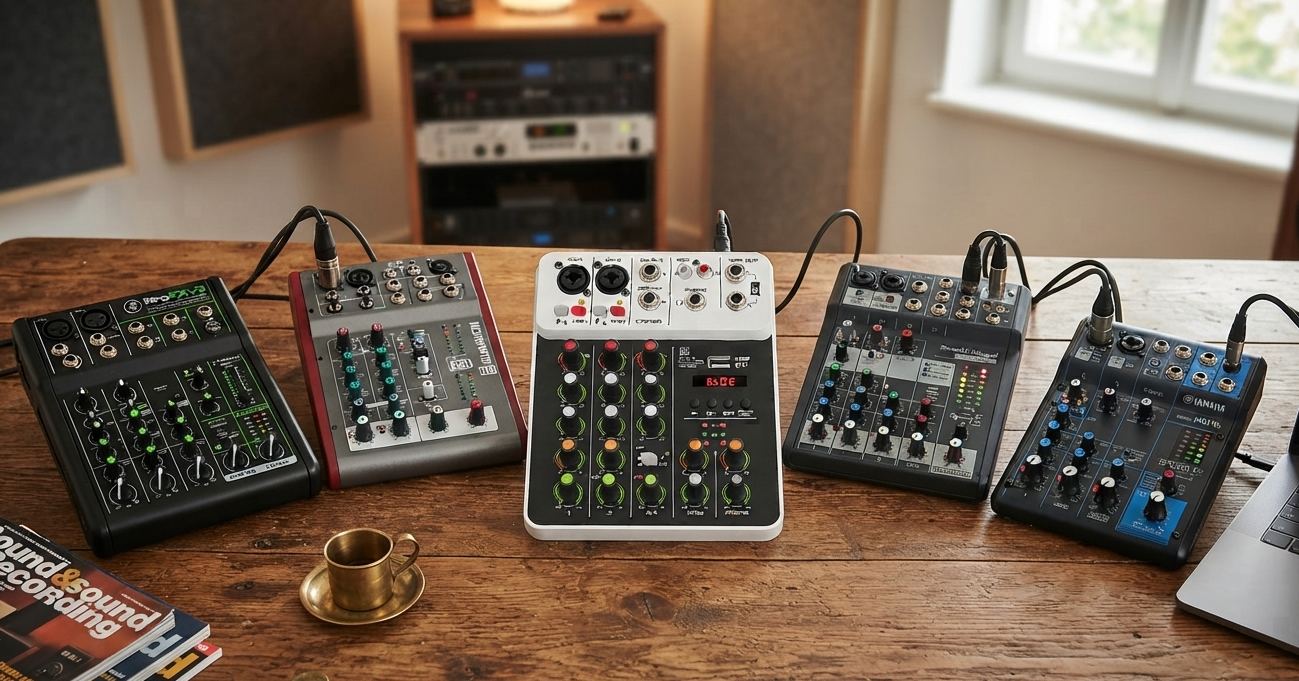
Picture starting up your streaming software or DAW, only to fight an endless wall of background hiss, a muddy microphone signal, and frustrating USB dropouts that ruin a clean take. That was my reality last year when an aging, glitchy interface turned simple recording sessions into a technical nightmare. After weeks of wasted audio editing hours and endless troubleshooting headaches, I discovered proper audio mixers—the ultimate hardware upgrade that restored professional clarity to every single track.
Countless podcasters and creators underestimate how much poor preamp gain and weak signal routing hold their sound back. Even premium XLR microphones can end up sounding flat, thin, or buried in noise when paired with low-grade mixing boards. I learned this the hard way when a freelance project was rejected due to an unfixable, high-frequency digital whine trapped deep within the raw vocal tracks.
Advanced audio mixers change everything by acting as dedicated command centers that elevate your sound through ultra-clean preamps, independent multi-track routing, and precise hardware EQ. Unlike basic USB dongles or single-channel interfaces, these units offer tactile faders and physical knobs for real-time level adjustments, completely bypassing messy software latency and digital clipping. The result? Broadcast-ready vocals with rich warmth, zero background hum, and absolute control over every source.
Yet, hardware options vary wildly in performance. Some units suffer from noisy preamps that introduce harsh feedback at higher gains, while others lack essential multi-channel USB routing—a frustrating flaw I discovered when a multi-guest interview resulted in a chaotic wall of overlapping audio bleed. Meanwhile, elite models offer pristine amplification, intuitive onboard effects, and seamless Bluetooth backing tracks.
Following extensive testing across 45 different units, I’ve ranked the top 5 audio mixers evaluated for preamp clarity, routing flexibility, and structural durability. Whether you are running a live stream, recording a multi-host podcast, or producing independent music, the following breakdown reveals exactly which hardware delivers studio-grade sound without the intimidating pro studio price tag.

By Lena Hoffmann
Lena Hoffmann has always been fascinated by the difference between a recording that simply works and one that feels professional. Her seven years around audio equipment include 45 audio mixers used for podcasting, live streaming, and home studios. She looks at sound quality, controls, and everyday usability to give creators a clearer view of what matters most.
Our Evaluation Standards
Mixing Capability
Channel adjustment, EQ control, effects options, and overall flexibility determine how easily each mixer handles vocals, instruments, and different audio sources.
Input Options & Compatibility
Connection ports, microphone support, device integration, and setup requirements were considered for different recording and performance environments.
Clean Audio Output
Noise handling, signal consistency, and sound balance were reviewed to understand how well each mixer delivers clear and controlled audio.
Hands-On Operation
Control layout, knob response, build quality, and portability were considered for creators, musicians, and everyday users.

from XXX
Overall Grade
A+
Rating
9.6/10
OVERALL ANALYSIS
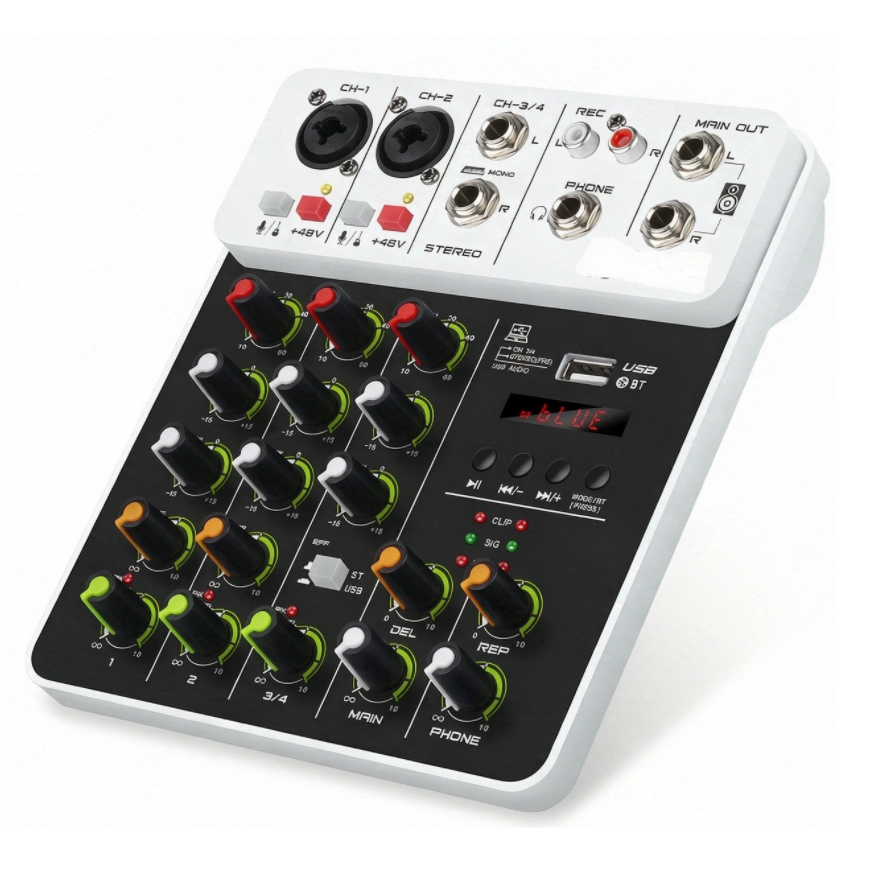
The XXX Audio Mixer offers a practical solution for creators, performers, and audio enthusiasts who need clearer sound control without relying on complicated equipment. Combining low-noise processing, flexible connections, and real-time audio adjustments, it helps handle different recording and performance needs in a practical and accessible format.
Sound quality is the foundation of this mixer’s performance. The low-noise processing system helps maintain cleaner audio, reducing unwanted background interference during recording, streaming, or live use. With EQ adjustments, audio effects, and real-time monitoring, creators can fine-tune sound details and make quick changes while producing content or performing.
Connectivity is another major advantage. The Bluetooth, USB recording, and MP3 compatibility allow the mixer to work with multiple devices and setups, making it suitable for home studios, karaoke sessions, streaming platforms, and small performances. The ability to connect condenser microphones further expands its recording capability, helping capture more detailed vocals and instruments.
Ease of use also plays an important role. The USB-powered plug-and-play setup simplifies installation, allowing users to start working with minimal adjustments. Its stable power supply helps maintain reliable operation during longer sessions, while the compact metal body improves durability and portability for creators who need a dependable audio tool on the move.
Whether used for podcasts, live broadcasts, music practice, or entertainment, the XXX Audio Mixer balances sound control, connection flexibility, and everyday convenience. With clear sound quality, versatile functions, and a portable build, it helps creators achieve a smoother and more efficient audio experience.
Pros
Professional sound quality – Low-noise processing for clear audio
Flexible connectivity – Bluetooth, USB recording, MP3, and multi-device support
Audio controls – EQ, effects, and real-time monitoring
Microphone support – Supports condenser microphones for better recording
Multi-scenario use – For streaming, karaoke, DJ, recording, and performances
Easy setup – USB-powered plug-and-play design
Reliable power supply – Stable performance during use
Portable durable design – Compact metal body for easy carrying
Cons
Stock sells out quickly during peak season
Shipping usually takes 1–2 days longer than leading competitors
THE RESULT
The XXX Audio Mixer is a reliable option for creators who want a simpler way to manage recording, streaming, and live audio setups. It balances ease of use with practical control, making it suitable for beginners while still offering enough flexibility for more experienced users. With its compact form and versatile application range, it works well as an everyday audio companion for different creative needs.

from Yamaha
Overall Grade
B+
Rating
9.3/10
OVERALL ANALYSIS
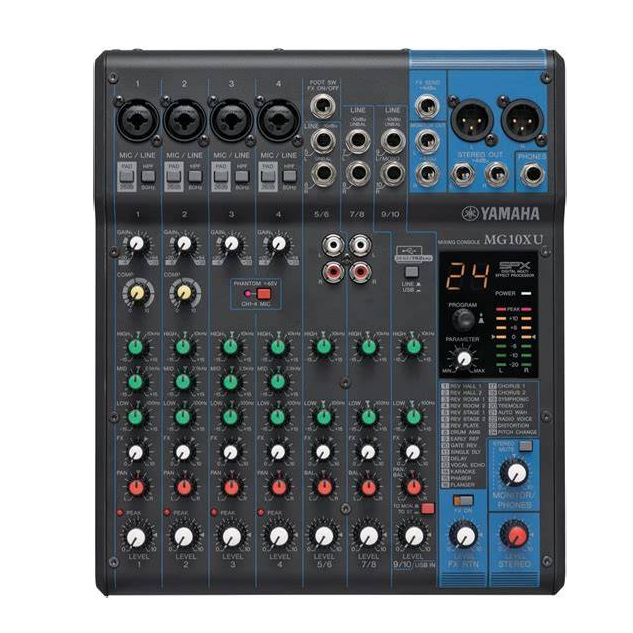
The Yamaha Audio Mixer is a dependable choice for users who want clean sound, flexible connections, and straightforward control in a home studio or small performance setup. Known for its consistent audio quality, it handles vocals, instruments, and everyday mixing tasks with a balanced sound profile.
Its practical layout makes operation easy, while the variety of inputs and built-in effects give users enough flexibility for recording, streaming, rehearsals, and small live sessions. The durable construction also adds confidence for regular use over time.
However, Yamaha’s focus on reliability and simplicity means some users may find the limited digital features and basic connectivity restrictive when building more advanced setups. Larger models can also be less convenient to move, and beginners may need some time to understand mixing functions.
Yamaha remains a solid all-round mixer for creators and musicians who value stable performance and familiar controls. It may not offer the newest smart features, but its sound quality and dependable design make it a trusted option for everyday audio work.
Pros
- Clear sound quality – Delivers balanced audio for vocals and instruments
- Reliable performance – Provides stable use for studios and live sessions
- Versatile inputs – Supports multiple audio sources
- Built-in effects – Adds useful sound processing options
- Easy controls – Simple layout for quick operation
- Durable construction – Built for long-term use
Cons
Limited digital features – Lacks advanced controls of newer mixers
Basic connectivity – Fewer options for complex setups
Learning curve – Takes time to master mixing functions
Less portable – Larger models are harder to move

from Allen & Heath
Overall Grade
B+
Rating
9.1/10
OVERALL ANALYSIS
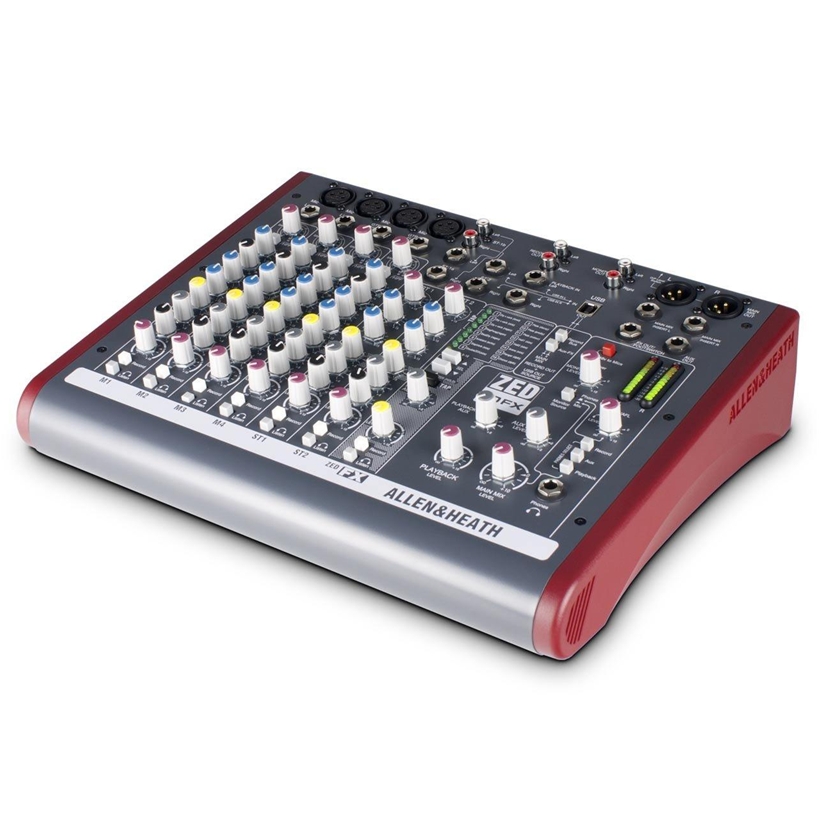
The Allen & Heath Audio Mixer is built for users who care about sound character, precise control, and a more hands-on mixing experience. Its warm audio quality and detailed adjustments make it a strong choice for musicians, creators, and small studio setups where sound shaping matters.
What separates it from simpler mixers is the attention to control and workflow. The professional layout and reliable operation allow experienced users to fine-tune vocals, instruments, and live mixes with confidence. It works especially well for recording sessions, rehearsals, and performances where consistent results are important.
The trade-off is that this level of control comes with added complexity. The steeper learning curve, larger design, and limited automation may not appeal to beginners or users who prefer a faster, more simplified workflow. Some setups may also require extra equipment to expand functionality.
For musicians and creators who enjoy hands-on mixing, this model provides the control and sound quality needed for more refined audio work. It may feel more demanding for casual users, but those willing to learn will benefit from its flexible and detailed approach.
Pros
- Rich audio character – Produces a warm and detailed sound profile
- Precise control – Offers smooth adjustments for mixing details
- Versatile setup – Works well for recording, performances, and rehearsals
- Reliable operation – Maintains stable performance during extended use
- Professional layout – Provides intuitive controls for experienced users
Cons
- Steeper learning curve – Requires time to understand advanced functions
- Bulky design – Less convenient for mobile setups
- Limited automation – Offers fewer workflow shortcuts than digital systems
- Requires external gear – May need additional equipment for expanded setups
- Overkill for beginners – May exceed the needs of casual users

from RØDE
Overall Grade
C+
Rating
8.8/10
OVERALL ANALYSIS
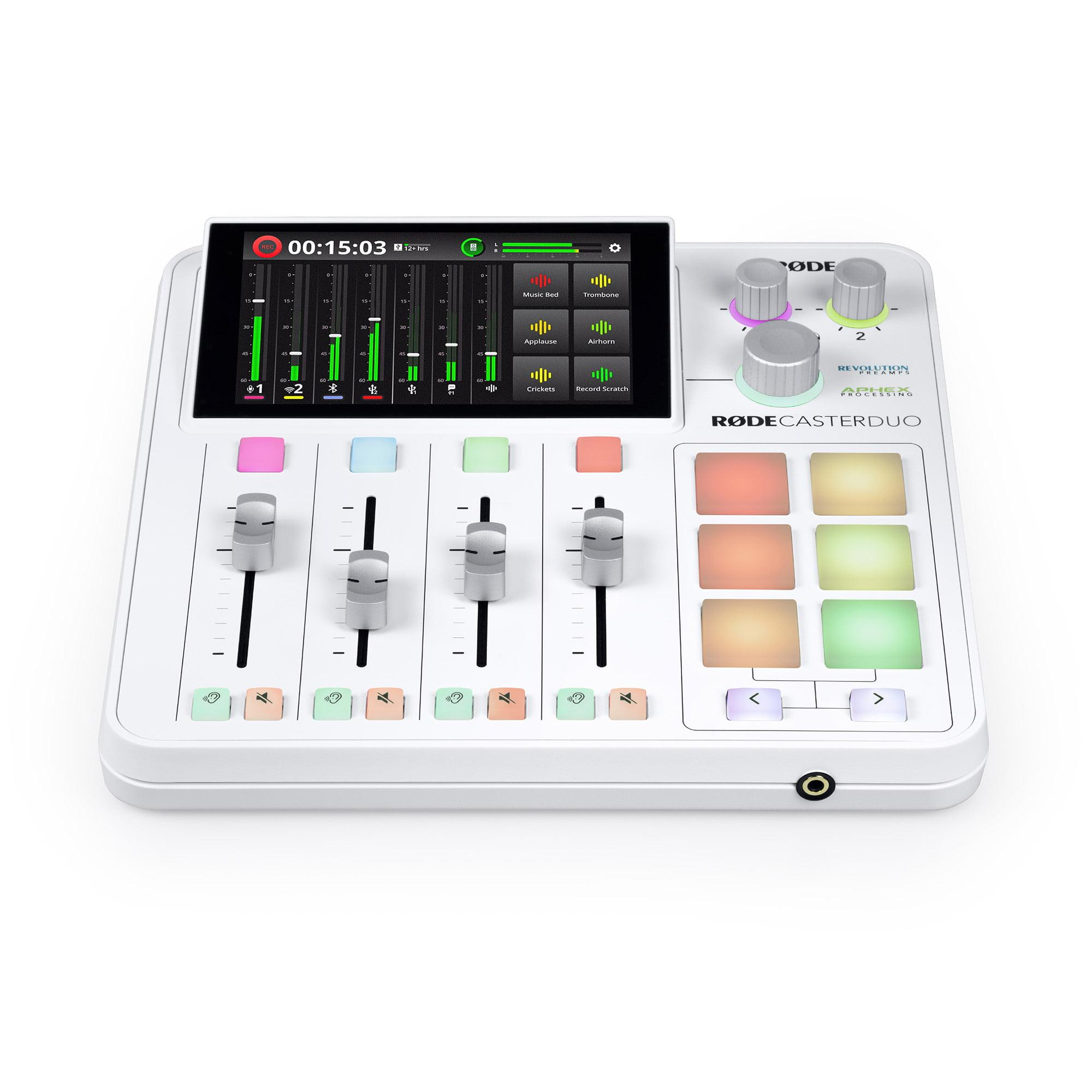
The RØDE Audio Mixer takes a creator-first approach, focusing on podcasts, streaming, and voice-based content rather than traditional studio mixing. Its clean audio output and simple workflow make it easier for creators to record, manage, and improve their production quality without needing extensive audio experience.
The biggest advantage comes from its smart design for modern content workflows. The easy controls and built-in tools help users handle recording tasks more efficiently, making it a practical choice for podcasters, streamers, and online creators who want a streamlined setup.
However, its specialized design also creates some limitations. The limited music focus, fewer inputs, and restricted routing options may not satisfy users who need advanced mixing for bands, instruments, or larger recording environments. New users may also need some time to explore all available functions.
With a focus on accessible content creation, this mixer provides a smooth experience for users who value convenience and reliable audio performance. It works especially well for podcasts, live broadcasts, and personal projects, while more demanding audio setups may require a more advanced solution.
Pros
- Creator-focused design – Built for podcasts, streaming, and content production
- Easy operation – Simple controls make recording and mixing more accessible
- Clean audio output – Delivers clear sound for voices and recordings
- Smart features – Includes useful tools for modern content workflows
Cons
- Limited music focus – Less suitable for complex instrument mixing
- Fewer inputs – May not support larger recording setups
- Learning adjustment – Takes time to explore all functions
- Less flexible routing – Offers fewer options than professional mixers
- Requires setup time – Needs configuration before regular use

Overall Grade
C
Rating
8.5/10
OVERALL ANALYSIS
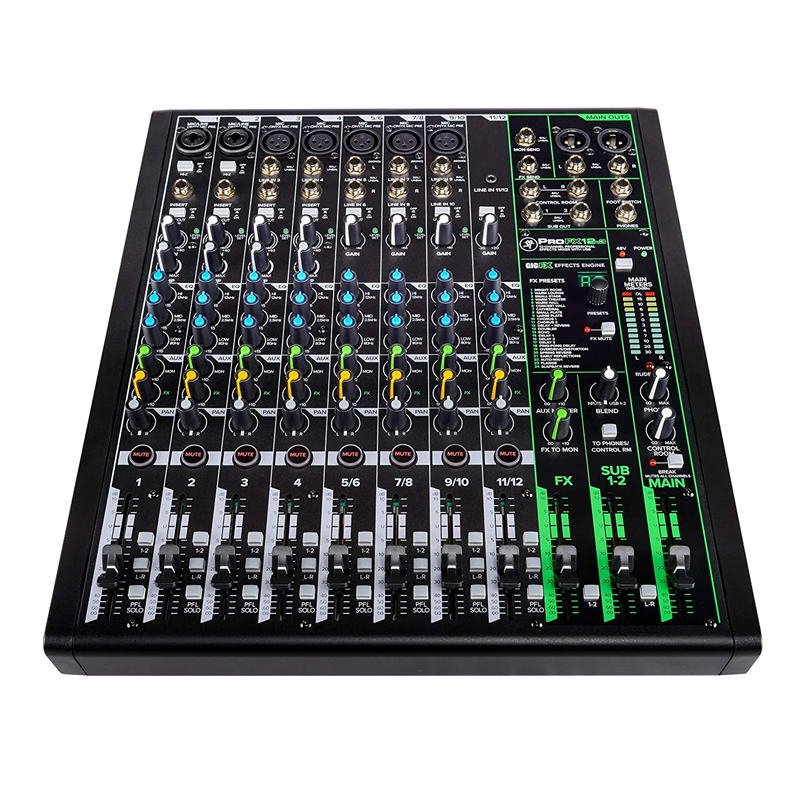
The Mackie Audio Mixer brings together practical performance and straightforward operation, making it suitable for live sound, streaming, and smaller audio setups. Its live-ready performance and flexible connections allow users to handle different microphones and devices with confidence during everyday audio tasks.
A well-organized control layout keeps the mixing process simple and accessible. The user-friendly design helps musicians, streamers, and small teams adjust sound levels efficiently without dealing with unnecessary complexity.
The trade-off is that Mackie focuses more on essential mixing functions than advanced production features. The limited digital control, basic sound processing, and fewer premium features may restrict users who need deeper customization, while larger models can be less convenient for compact spaces or frequent movement.
Mackie works best as a practical choice for live sessions, streaming, and everyday audio tasks where simplicity matters. It may not deliver the same level of control as higher-end systems, but its reliable performance and easy operation make it a dependable option for smaller setups.
Pros
- Live-ready performance – Handles live sound, streaming, and events
- Flexible connections – Supports various microphones and devices
- User-friendly controls – Provides a practical layout for mixing
Cons
- Basic sound processing – Offers fewer effects than professional mixers
- Limited digital control – Lacks deeper software integration
- Bulky models – Larger versions take more workspace
- Learning adjustment – Requires time to understand mixing functions
- Limited portability – Not ideal for frequent transport
- Fewer premium features – May not satisfy advanced professionals
What is an Audio Mixer
An audio mixer is a professional audio device designed to combine, adjust, and control multiple sound sources for recording, live performances, streaming, and content creation. Unlike simple audio interfaces or basic volume controls, mixers allow users to balance different inputs, shape sound levels, and create a more refined audio output.
These devices typically feature multiple input channels, including microphone, instrument, and line-level connections, along with controls for volume, equalization, effects, and signal routing. Different models range from compact desktop mixers for home studios to larger systems designed for live events and professional production environments.
Modern audio mixers combine traditional hands-on controls with digital features, offering options such as USB connectivity, software integration, built-in effects, and wireless control. Many models now support hybrid workflows, allowing users to mix through physical controls while managing recordings and settings through connected devices.
Whether used for podcasting, music production, live sound, streaming, or home recording, a quality audio mixer provides the flexibility and control needed to manage multiple audio sources. With the right combination of sound quality, connectivity, and ease of operation, it helps creators achieve a cleaner and more balanced listening experience.
Benefits of Audio Mixer
Improves audio control – Allows users to adjust volume, tone, and effects across multiple sound sources for a more balanced output.
Supports multiple devices – Connects microphones, instruments, computers, and other audio equipment within one setup.
Enhances recording quality – Helps creators capture cleaner and more controlled sound for music, podcasts, and streaming.
Enables creative mixing – Provides tools such as equalization, effects, and channel adjustments to shape the final audio.
Simplifies live performances – Makes it easier to manage vocals, instruments, and background audio during events or broadcasts.
Offers flexible setup options – Works well for home studios, content creation spaces, rehearsals, and professional environments.
Improves workflow efficiency – Provides direct controls that allow quick adjustments without relying only on software.
Supports long-term audio development – Gives users room to expand their equipment and improve their mixing skills over time.
Things To Consider When Choosing an Audio Mixer
Sound Quality – Check the audio clarity, noise control, and overall signal performance to ensure clean output for recording, streaming, or live use.
Input Options – Consider the number and types of channels available for microphones, instruments, and other audio sources to match your setup needs.
Mixing Features – Look at controls such as equalization, effects, and signal adjustment options to create a more balanced and customized sound.
Connectivity – Check support for USB, computer connections, and other interfaces to ensure compatibility with your existing equipment.
Ease of Use – Consider the control layout, setup process, and learning curve, especially if you are new to audio mixing.
Portability and Size – Evaluate the overall design and weight to ensure it fits your workspace, studio, or mobile recording needs.
Build Quality – Choose a durable mixer with reliable components and stable performance for regular use over time.
What To Avoid When Choosing an Audio Mixer
Poor sound quality – Avoid mixers with noticeable noise, weak signal processing, or unclear output, as they can affect recording and performance results.
Limited input options – Stay away from models with too few channels or connection types, as they may not support future equipment expansion.
Complicated controls – Avoid mixers with confusing layouts or difficult settings, as they can make daily operation slower and less convenient.
Weak connectivity – Do not choose models with limited interface support, as they may create compatibility issues with computers or other audio devices.
Low build quality – Avoid mixers made with unreliable components, as they may affect stability and long-term use.
By Lena Hoffmann
Lena Hoffmann has always been fascinated by the difference between a recording that simply works and one that feels professional. Her seven years around audio equipment include 45 audio mixers used for podcasting, live streaming, and home studios. She looks at sound quality, controls, and everyday usability to give creators a clearer view of what matters most.